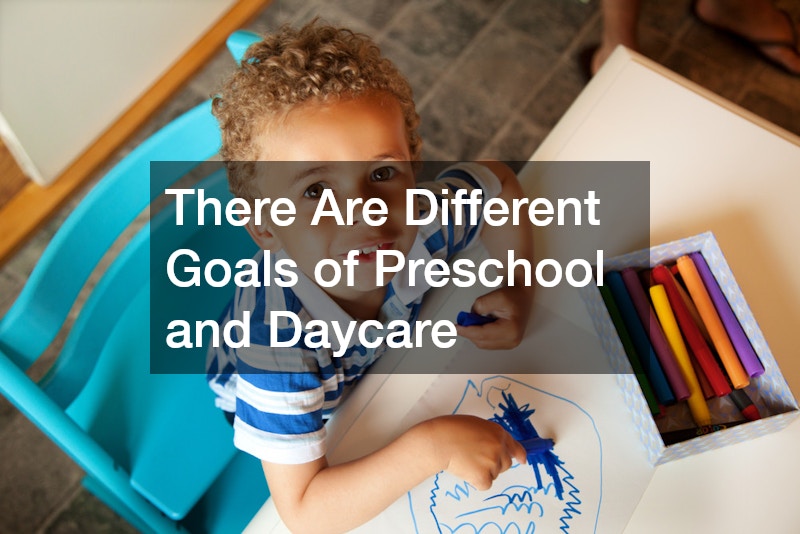
When it comes to early childhood education, parents often find themselves deciding between preschool and daycare for their little ones. Both options provide essential care and educational opportunities, but they serve slightly different purposes, since preschool is different from daycare. Understanding the key distinctions between preschool and daycare is crucial for making an informed decision regarding your preschooler’s early development. While each offers unique benefits, knowing which one aligns better with your family’s needs can make a significant difference in your little one’s growth and learning.
Understanding the Different Goals of Preschool and Daycare
Preschool programs are primarily designed with a focus on structured early childhood education and development. These programs follow a specific curriculum aimed at fostering essential cognitive and social skills. In contrast, preschool is different from daycare since daycare centers provide custodial care, accommodating parents’ needs for safe and reliable child supervision while they are at work. While daycares may incorporate some educational activities, the primary goal is to ensure young learners are safe, fed, and engaged throughout the day.
Comparing Staff-to-Child Ratios and Individual Attention
An important aspect to consider is the staff-to-child ratio, which differs significantly between preschools and daycares. According to Childcare.gov, one trained adult should care for six to 10 preschoolers at the most, ensuring that young learners receive the individualized attention they need during their formative years. Preschools typically adhere to these standards, offering more personalized attention and enriching interactions. On the other hand, daycares may have larger groups due to broader age ranges and more flexible enrollment, potentially leading to less individualized care.
Evaluating Teacher Qualifications and Educational Experience
The qualifications and training of the staff also distinguish preschools from daycare centers, which is a big reason why preschool is different from daycare. Preschool teachers often hold degrees in early childhood education or are trained specifically in child development, enabling them to deliver age-appropriate educational experiences designed to cultivate young learners’ emotional and intellectual growth. Daycare providers, while skilled and caring, may not possess the same level of educational expertise. Equipping your little one with a solid educational foundation at an early age can significantly influence long-term academic and social success.
Whether you choose a preschool or daycare for your young learner depends on various factors, including educational goals, childcare needs, and family preferences. Both options have their own value, but understanding the primary differences can help guide your decision. By focusing on the specific needs and developmental stage of your little one, you can select the best care environment that nurtures their growth and prepares them for future success.